Books
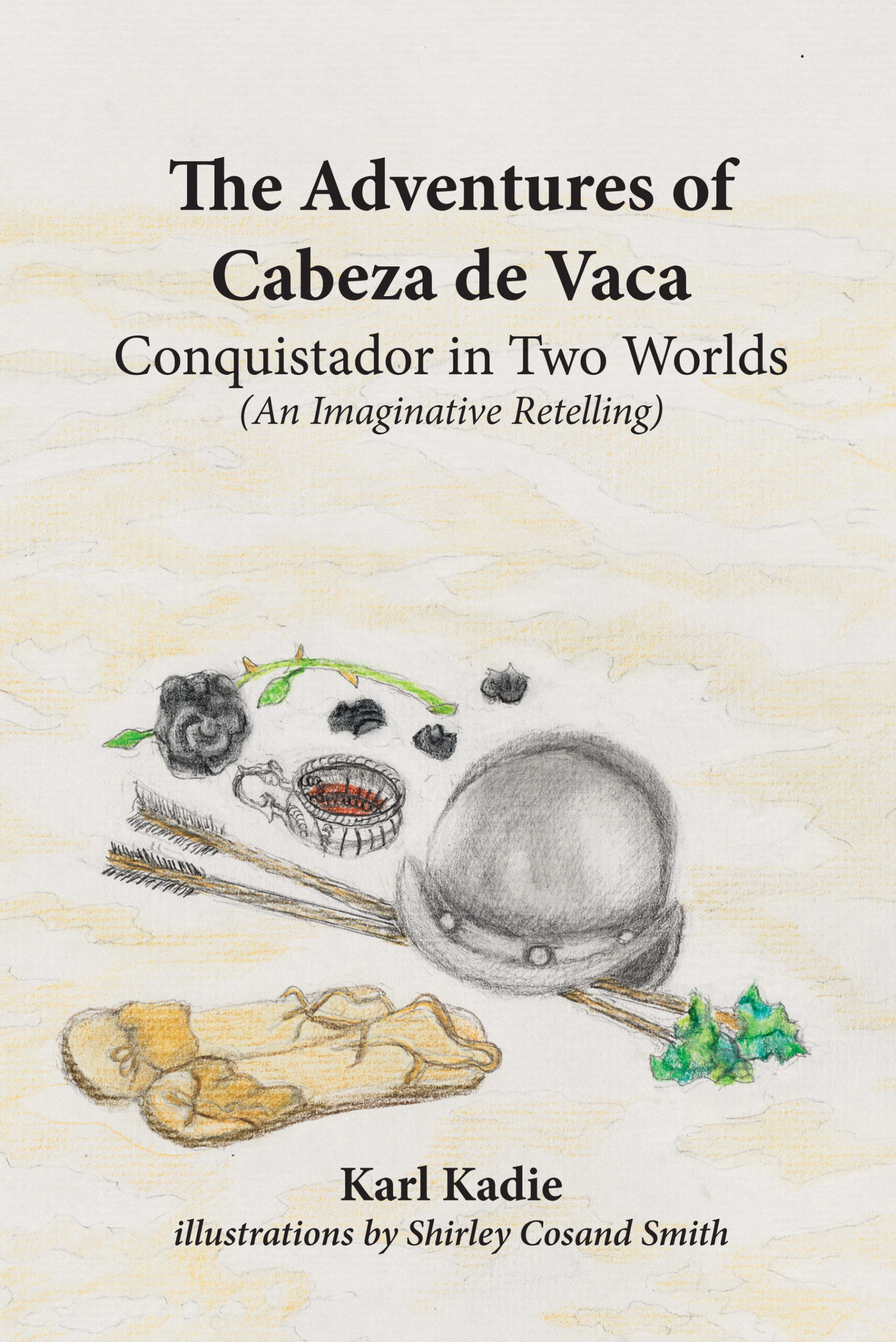
A 16th-century conquistador is lost in North America and lives with the Indians for nearly ten years. The Adventures of Cabeza de Vaca unfolds as fictional, illustrated vignettes about a real, Spanish nobleman, whose life is a swashbuckling adventure. After Alvar Nunez Cabeza de Vaca is shipwrecked in Florida, he becomes the first European to walk across North America, the first conquistador to describe Indian life, and the first conquistador to advocate for Indian rights and turn them into law. Unlike his contemporaries, Cortés and Pizarro, he returns to Europe empty-handed, with neither treasure nor territory. He writes an account of his journey and life with the Indians, which saves his nobility and gets him appointed as a governor in South America.




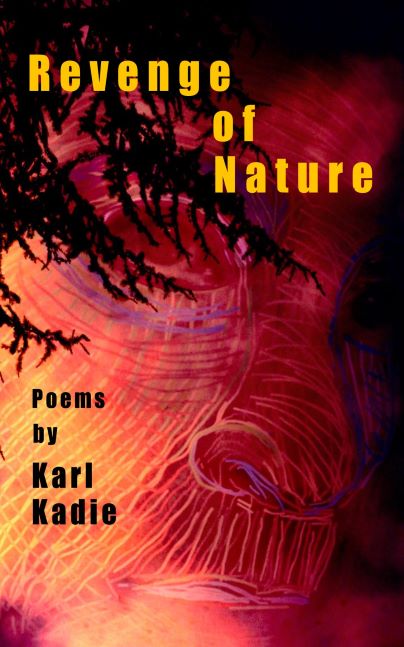
In Revenge of Nature, Mother Nature is not happy and she’s fighting back! The poems in this collection are personal stories that explore nature’s shocking responses to human incursion, how people, animals, and other life forms cope with nature’s forces. It invites the reader to make common cause with climate change, the COVID epidemic, and the transformation of our planet.
Also available at Many Rivers Books in Sebastopol. Can be ordered from most bookstores.
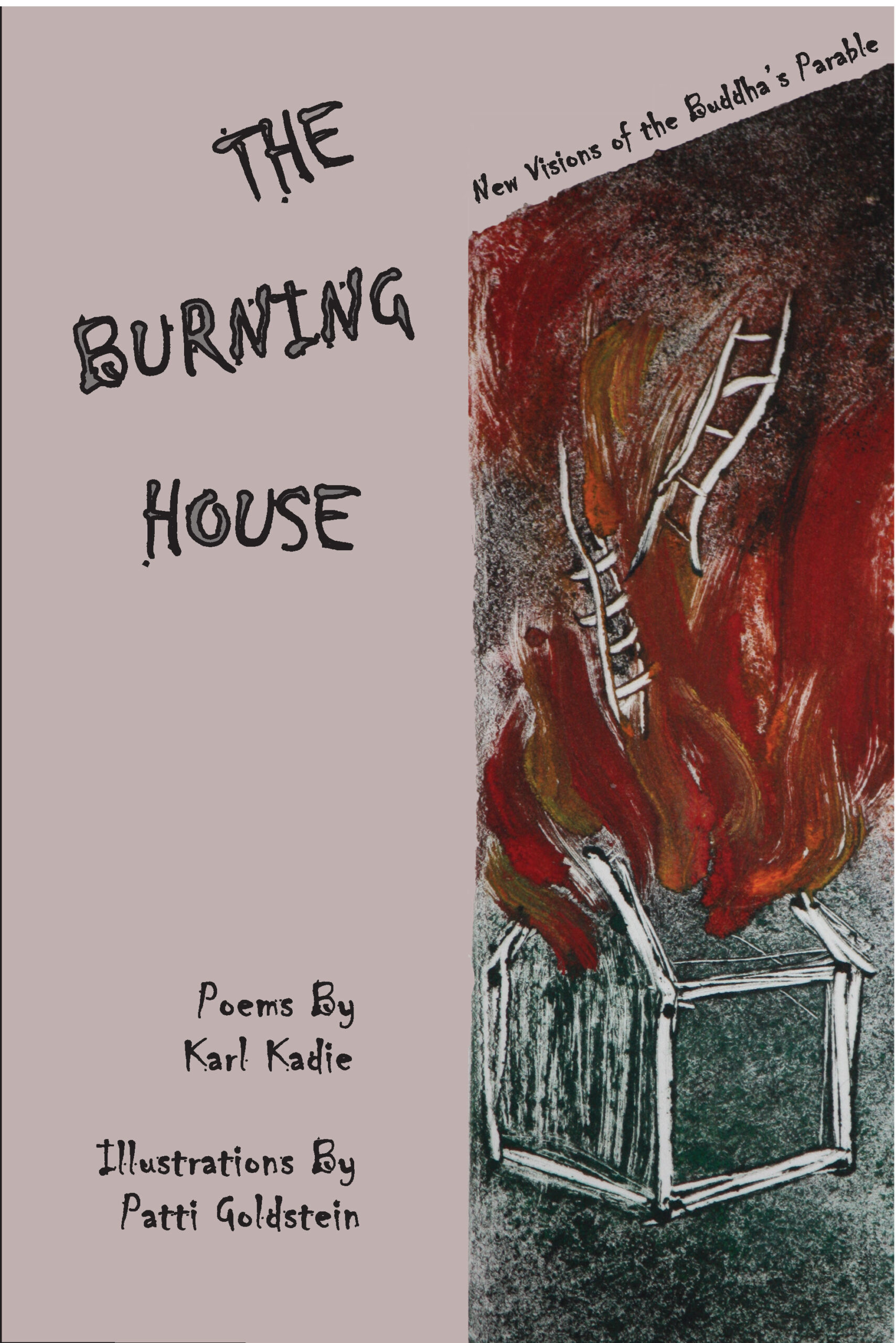
The Burning House is based on Buddha’s parable about the father who saves children trapped in a house on fire and unaware of the danger. The man taps all his resources to convince them to leave the building. Karl Kadie’s poems and the accompanying pen-and-ink illustrations by Patti Goldstein explore Buddha’s parable on materialism through the lens of today’s world. These illustrated stories lift every rock and rug in search of material challenges, ranging from domestic differences to foreclosures to globalization to the high-tech bust to a child lost in headphones. It’s a wild, spiritual journey you won’t forget.
Bio
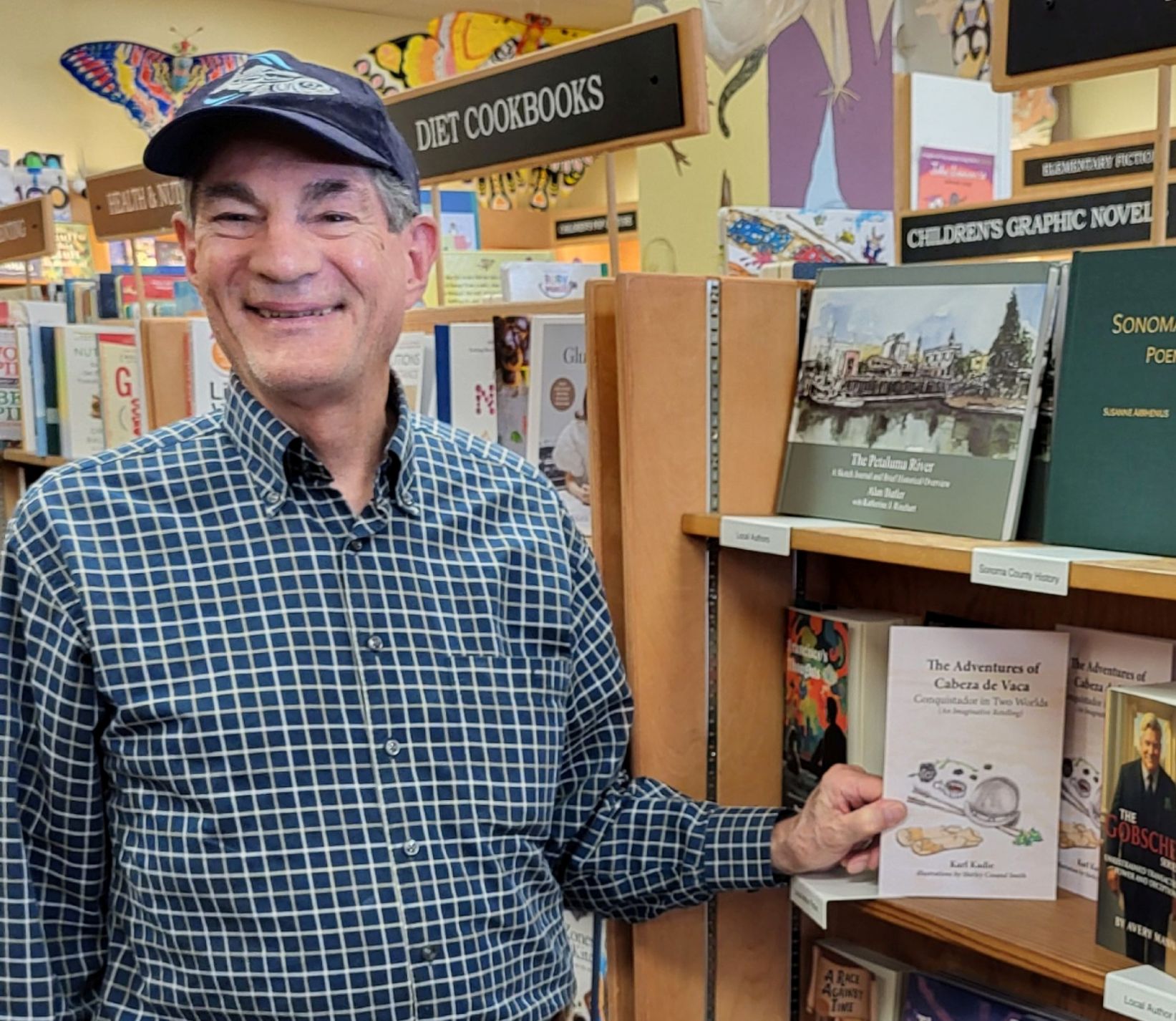
Karl Kadie writes poetry and fiction, focusing on life transformation, history, and nature. He’s the author of two collections of poetry, Revenge of Nature, and The Burning House. His most recent book is a work of historical fiction, The Adventures of Cabeza de Vaca: Conquistador in Two Worlds. His work has also been published in magazines and journals, including Poetry Catalog, The Sailors Review, Poetry Ink Anthology, One Day Poetry Anthology, Sebastopol Center for the Arts Reverberations, Poetry X Hunger, Poetry Ink, Santa Clara Review, and New Verse News. His poems were selected by Poets for Human Rights for National Poetry Month in 2023 and 2024, and were featured on the Calistoga Poetry Walk. Karl Kadie lives and writes in Santa Rosa, California.
Events | Video | Audio

PODCAST: “Dare to Be Great, Dare to be You”
Karl Kadie interviewed by Shawn Langwell
The Adventures of Cabeza de Vaca (historical fiction) January 15, 2026
Interview with Karl Kadie

PODCAST: Get Lit!
- Karl Kadie on The Adventures of Cabeza de Vaca (historical fiction), April 8, 2026
- Karl Kadie on Revenge of Nature (poetry)
May 6, 2025
Karl Kadie on ”The Adventures of Cabeza de Vaca”
Karl Kadie on “Revenge of Nature”
Poetry
Night Muse
Poets for Human Rights Selection, also published in The Sailor Review and Crossroad Poetry Anthology.
You can’t escape
the poem that wakes you at night
crying “write me.”
If you switch on the light
and record the words,
you may discard it later as drivel,
or you may extract a precious kernel
as if cracking a raw walnut
to find a morsel shaped like your brain
that tastes so sweet, so carefully spiced,
you dream about it for years.
If you don’t write it down,
if you shrug your shoulders
& drift back to sleep,
the poem disappears
like a lone dog bark on a distant block,
and you forgo,
perhaps forever,
the treasure of night poems
strung together over time
into a necklace of truth.
Fiction
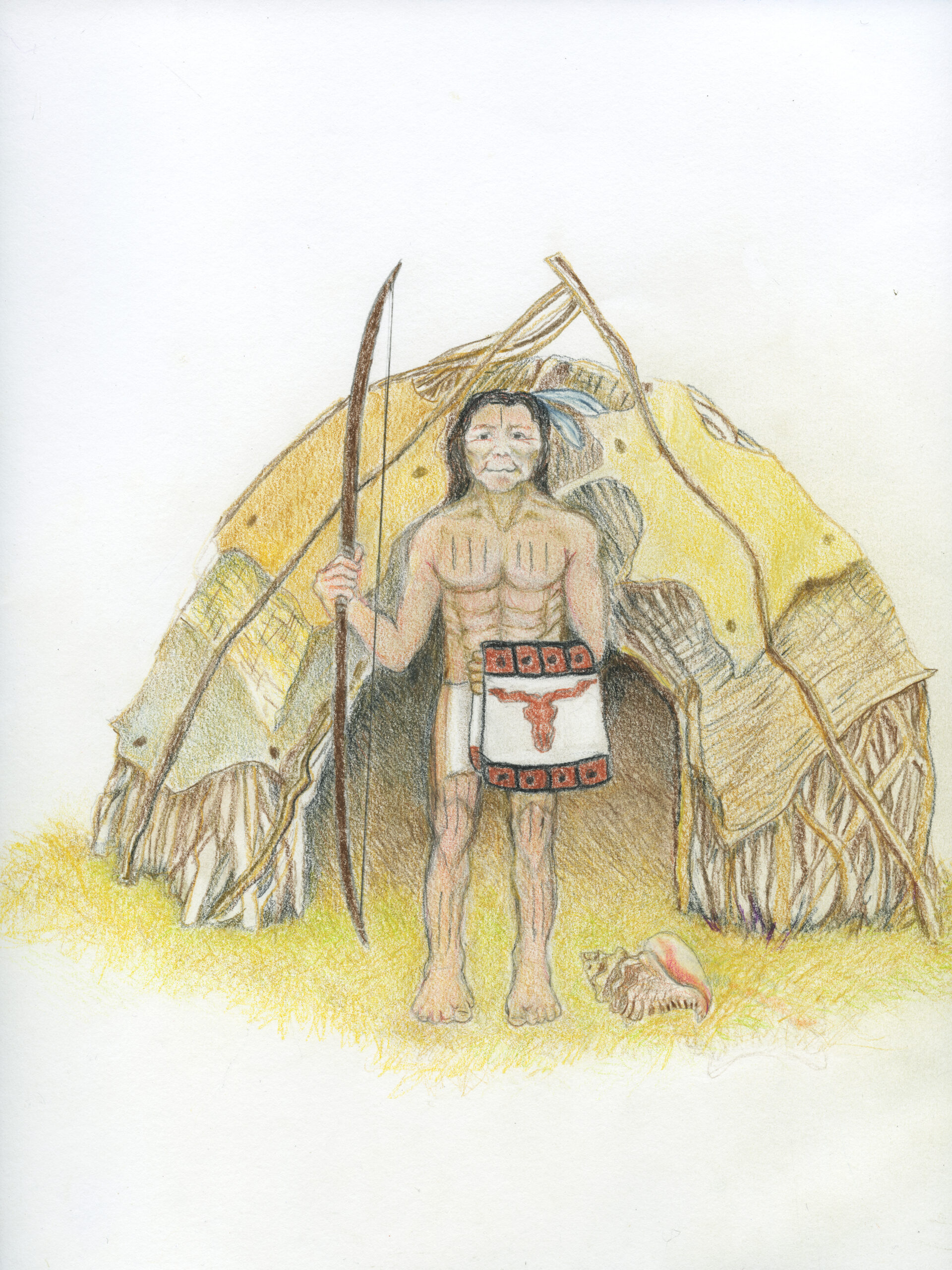
To Become a Healer
(Excerpt from The Adventures of Cabeza de Vaca: Conquistador in Two Worlds)
After forced to become healers in Southern Texas, Cabeza de Vaca and his Christian brethren thrive.
When the Malhado take us us in, we are as weak as scurvied sailors. The Indians care for us, share food and shelter. When we begin to recover, their chief tells me, “You are of no use to us.”
He demands we become healers. “Blow on the wounds. Lay hands on them.” I scoff, complain that we are not doctors and it’s not medically sound. The chief stomps out, raising his bow and arrow to shoot a squirrel. It drops from the cypress as if struck by God.
After that, the tribe withholds our meals. Each day our starvation canoe drifts further out. As my dark heart beats and cries for the loss of my Spanish home, my heart of light saves me from freefall. I must consider my crew and our survival. If we practice Indian shamanism, we lose our souls. If we refuse to perform their ritual, we starve.
I retreat to the edge of camp to weigh our options. Animal cries and the rush of night wind are as loud as armies in battle, so loud I hear nothing from the camp though I do smell the camp’s frying meat and corn, cloaking me in the new odor of death. Never again will I forget the wilderness is as hungry as I am. Striving to endure may have kept us alive but has it made us safe? How much do I risk by Indian faith healing?
The next day, I enter the tent of a hot, sweating man who clutches his stomach and spits words like musket bullets. Unable to distinguish the gibberish of fever from language beyond knowing, I put my hands on his chest and blow on them. “Bless you, my son,” I say, then recite the Lord’s Prayer, followed by an Ava Maria. I pray for my patient to live so that Christians do not die. I pray for permission to plant seeds of faith: “Heal this man, so he can become Christian.”
The following morning, he strides out and proclaims himself well. He gives me an animal blanket, precious shells, and a red cedar bow better than anything I own. Two days later, I wake to a crackling fire with roasting rabbit. Men in deerskin loincloths and women with moss skirts curve around my tent like hands in prayer.
Is this land of want also a land of becoming? Has God let me live so I can imagine more?
Contact